


Owning a home in Macomb, MI, means keeping up with repairs through freezing winters, spring thaws, humid summers, and changing weather conditions. While tackling small projects yourself can save money, certain home repairs carry serious safety risks when handled without the proper training or equipment.
Knowing which handyman tasks you should never DIY can help protect your home, prevent expensive damage, and keep your family safe.
Quick Answer: The handyman tasks homeowners should avoid doing themselves include electrical wiring, gas line repairs, major plumbing work, structural modifications, roof repairs, water heater installations, mold remediation, hazardous material removal, garage door spring replacement, and major drywall repairs involving hidden utilities or structural damage. These projects may require licensed tradespeople, specialized equipment, permits, or professional inspections. Hiring a qualified professional handyman can reduce safety risks and prevent small problems from becoming costly repairs.
What Macomb Homeowners Should Know
-
Michigan’s freezing temperatures can make plumbing, roofing, and structural repairs more complicated, especially when moisture enters damaged areas.
-
Homes throughout Macomb County may have different electrical, plumbing, and structural systems depending on their age and construction.
-
Certain electrical, plumbing, mechanical, and structural projects may require permits or inspections through the appropriate local building department.
-
A general handyman can handle many routine maintenance tasks, but specialized work may require a licensed electrician, plumber, mechanical contractor, or other qualified specialist.
-
Delaying dangerous repairs can increase the likelihood of water damage, electrical hazards, and additional property damage.
For homeowners in Macomb, understanding the difference between a manageable weekend project and a job requiring professional expertise is an important part of responsible home maintenance.
At GitHelp, we believe homeowners should understand the risks associated with home repairs before deciding whether to handle a project themselves or seek professional assistance.
1. Electrical Wiring and Panel Repairs
Electrical wiring and panel repairs should never be treated as ordinary DIY handyman projects because incorrect connections can cause electric shock, fires, and damage to appliances. In Macomb homes, especially those with older electrical systems, seemingly minor electrical issues may indicate problems that require evaluation by a qualified electrician.
Replacing a light bulb is straightforward. Installing new circuits, replacing breakers, modifying wiring, or working inside an electrical panel is different.
Warning signs include:
-
Circuit breakers that trip repeatedly.
-
Outlets that feel unusually warm.
-
Flickering lights throughout the house.
-
Burning smells near switches or outlets.
-
Buzzing sounds from electrical equipment.
Michigan electrical requirements may also affect which projects require permits and licensed professionals.
Better approach: Have a qualified electrician diagnose wiring problems and complete repairs that involve electrical circuits, panels, or other hazardous components.
2. Gas Line Repairs and Appliance Connections
Gas line repairs and appliance connections should be handled by qualified professionals because improper fittings, damaged piping, or incorrect installation can create fire, explosion, and carbon monoxide hazards. Homes throughout Macomb County commonly rely on gas-powered heating equipment, making proper installation and maintenance especially important during Michigan winters.
Never attempt to repair a leaking gas connection with tape, sealant, or improvised materials.
Possible warning signs include a sulfur-like odor, hissing near a gas connection, damaged piping, or unexplained problems with gas appliances.
If you suspect a gas leak, leave the building immediately, avoid operating electrical switches or anything that could create a spark, and contact your gas utility or emergency services from a safe location.
Better approach: Use a qualified gas professional for gas piping, appliance connections, and suspected leaks.
3. Major Plumbing Repairs
Major plumbing repairs should not be DIY projects when they involve concealed pipes, sewer lines, water supply modifications, or significant leaks. Incorrect plumbing repairs can cause hidden water damage, mold growth, and expensive restoration work, particularly when Michigan’s freezing temperatures put additional stress on exposed or poorly insulated pipes.
Macomb homeowners may encounter frozen pipes, aging supply lines, leaking connections, or drainage problems.
Small maintenance tasks, such as cleaning an accessible sink stopper, may be reasonable for homeowners. Replacing concealed plumbing or modifying the home’s main water supply is considerably more complex.
Warning signs include:
-
Recurring leaks behind walls.
-
Sudden drops in water pressure.
-
Sewage odors or repeated drain backups.
-
Water stains on ceilings.
-
Pipes that freeze repeatedly.
Better approach: Contact a qualified plumber for significant leaks, pipe replacement, sewer problems, and modifications to the plumbing system.
4. Structural Wall Removal and Modifications
Structural wall removal should never begin without determining whether the wall supports the home. Removing or altering a load-bearing wall can compromise floors, ceilings, roof framing, and other structural components, creating serious safety concerns for homeowners in Macomb, MI.
Open-concept remodeling is appealing, but not every interior wall is safe to remove.
Even a wall that appears relatively small may carry structural loads or contain plumbing, wiring, or ductwork.
Warning signs of possible structural problems include:
-
Cracks around doors and windows.
-
Sagging ceilings.
-
Uneven or sloping floors.
-
Doors that suddenly stop closing properly.
-
Visible separation between walls and ceilings.
Better approach: Have a qualified structural professional assess the proposed changes before demolition. Structural modifications may require engineered plans and local permits.
5. Roof Repairs and Shingle Replacement
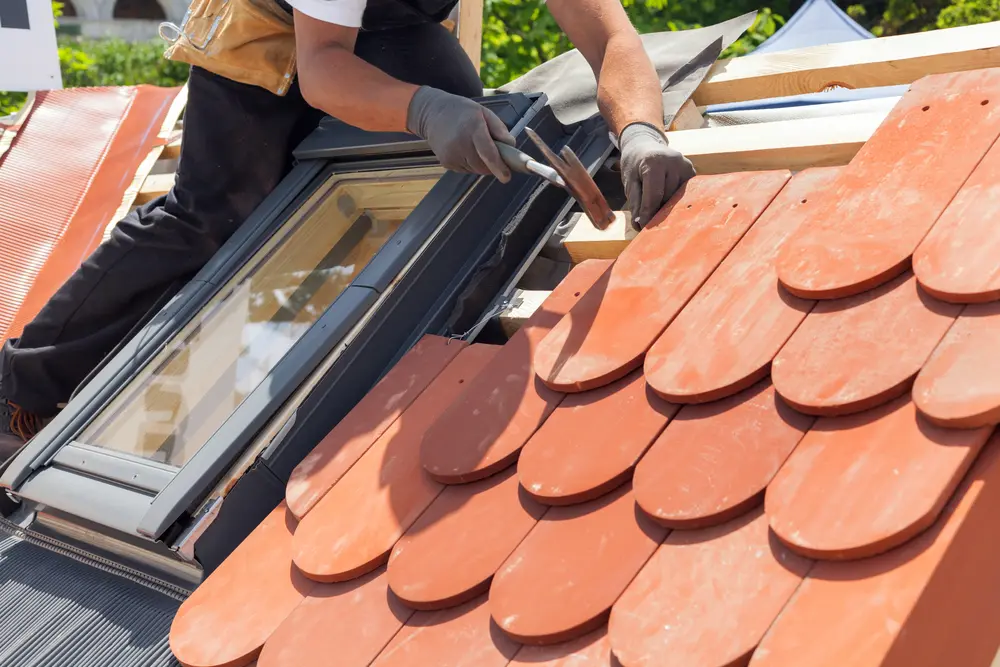
Roof repairs should generally be left to qualified roofing professionals because working at height presents a significant fall risk, while improperly installed materials can allow water into the home. In Macomb County, snow accumulation, ice dams, strong winds, and freeze-thaw cycles make proper roof protection especially important.
A few missing shingles may look like a simple afternoon repair. However, the visible damage might be only part of the problem.
Improperly installed flashing, underlayment, or replacement shingles can create additional leaks.
Homeowners should watch for ceiling stains, damaged shingles visible from the ground, water entering the attic, and gutters pulling away from the roofline.
Better approach: Inspect your roof from the ground and schedule professional roofing service when repairs require climbing, removing materials, or addressing suspected leaks.
6. Water Heater Installation and Replacement
Water heater installation should be handled by appropriately qualified professionals because mistakes involving gas, electricity, venting, pressure relief systems, or plumbing connections can cause serious injuries and property damage. Macomb homeowners depend on reliable hot water year-round, making safe installation and correct equipment selection essential.
Water heaters may appear straightforward, but installation involves more than connecting two pipes.
Gas models require safe combustion and venting. Electric models involve potentially hazardous electrical connections. Both require properly configured pressure and temperature safety systems.
Signs that professional attention may be needed include:
-
Water pooling around the tank.
-
Rust-colored hot water.
-
Unusual popping or rumbling noises.
-
Inconsistent water temperature.
-
Visible corrosion around connections.
Better approach: Use a qualified installer who understands the equipment, applicable Michigan requirements, and local permit procedures.
7. Mold Remediation and Extensive Water Damage
Significant mold remediation should not be attempted as a casual DIY project because disturbing contaminated materials can spread mold spores and leave hidden moisture problems unresolved. In Macomb, basement dampness, roof leaks, plumbing failures, and seasonal humidity can contribute to conditions that allow mold to grow.
Cleaning a small amount of surface mold on a nonporous material may be manageable when the moisture source is corrected and appropriate precautions are followed.
Larger contaminated areas, recurring mold, sewage-related water damage, or mold inside HVAC systems require a different level of attention.
Warning signs include:
-
Persistent musty odors.
-
Recurring dark or discolored patches.
-
Soft or deteriorating drywall.
-
Water stains that continue expanding.
-
Mold returning after cleaning.
Better approach: Have significant contamination and hidden moisture investigated by qualified water damage or mold remediation specialists.
8. Asbestos and Lead-Based Paint Removal
Asbestos and lead-based paint removal should not be handled as ordinary DIY demolition because disturbing hazardous materials can release harmful particles or dust. Older homes in Macomb County may contain building materials that require testing and specialized handling before renovation work begins.
Asbestos may be present in certain older flooring materials, insulation, or other building products.
Lead-based paint is another concern, particularly in homes built before 1978.
Neither material can be reliably identified through appearance alone.
Sanding, grinding, scraping, or demolishing suspect materials without appropriate assessment can create exposure risks.
Better approach: Arrange testing or evaluation by qualified professionals before disturbing potentially hazardous materials. Use appropriately certified contractors when the work requires specialized removal or lead-safe renovation practices.
9. Garage Door Spring Replacement
Garage door spring replacement should never be attempted without the appropriate professional training and equipment because the springs operate under substantial tension. An uncontrolled release of that tension can cause serious injuries, even when the garage door itself appears relatively simple.
Garage doors are used frequently in Macomb homes, especially during cold weather when residents prefer entering directly through attached garages.
Broken springs can make doors extremely heavy or prevent them from opening correctly.
Common warning signs include:
-
A loud snapping noise from the garage.
-
A visible gap in a torsion spring.
-
A garage door that opens only a few inches.
-
Uneven movement.
-
Loose or damaged lifting cables.
Better approach: Stop operating the door and contact a qualified garage door technician. Do not loosen spring hardware or attempt to adjust spring tension yourself.
10. Major Drywall Repairs Involving Hidden Damage
Major drywall repairs involving hidden utilities, structural concerns, or extensive water damage should not be approached as simple patching projects. While filling a small nail hole is usually manageable, opening large wall sections in a Macomb home can expose electrical wiring, plumbing, insulation problems, or deteriorated framing.
A damaged wall may be showing symptoms of a larger issue.
For example, a ceiling stain after snowmelt may indicate roof leakage, while recurring drywall damage near a bathroom may point to a concealed plumbing problem.
Covering these areas without identifying the source can allow damage to continue.
Better approach: Have the underlying issue evaluated before replacing drywall. Use qualified tradespeople when electrical, plumbing, structural, or significant moisture problems are discovered.
How Michigan Weather Makes These Repairs More Risky
Michigan’s seasonal weather can increase the consequences of improper home repairs because freezing temperatures, snow, rain, and humidity can expose weaknesses in roofing, plumbing, insulation, and building materials.
In Macomb, winter freezing can contribute to pipe damage and ice-related roof problems. Spring thaw and heavy rainfall may reveal foundation seepage, drainage issues, and basement moisture.
Summer humidity can make unresolved moisture problems more noticeable, while autumn is an important time to address exterior damage before temperatures drop.
For homeowners near the Clinton River watershed and throughout the surrounding communities, drainage and moisture management deserve particular attention.
These conditions make timely inspections and appropriate professional repairs valuable parts of maintaining a home.
Warning Signs That a Home Repair Is Beyond DIY
A home repair is likely beyond safe DIY work when it involves hidden systems, specialized equipment, serious injury risks, or permits and inspections.
Watch for these warning signs:
-
Exposed wiring or repeated electrical failures: The problem may involve energized components or overloaded circuits.
-
Gas odors or suspected fuel leaks: Immediate evacuation and professional emergency assistance may be necessary.
-
Recurring water leaks: Hidden plumbing or building-envelope problems may be present.
-
Sagging floors or structural cracks: The home may require structural evaluation.
-
Roof damage requiring ladder access: Working at height increases fall risks.
-
Visible mold across a large area: The problem may require containment and professional remediation.
-
Unusual garage door movement: Spring or cable components may be failing.
-
Unknown materials exposed during renovation: Testing may be necessary before work continues.
Macomb County homeowners should treat these signs as reasons to investigate the underlying problem rather than simply covering the visible damage.
When Should You Call a Professional Handyman?
You should call a professional handyman when a repair requires more tools, time, or experience than you can safely provide, but does not necessarily require a specialized licensed trade. For electrical, gas, structural, and other regulated work, choose an appropriately qualified professional instead.
A handyman may be suitable for routine projects such as minor drywall patching, door adjustments, trim repairs, caulking, and general property maintenance, depending on the provider’s qualifications and Michigan requirements.
For homeowners in Macomb, the key is choosing the right type of professional for the specific repair.
At GitHelp, we encourage homeowners to describe the problem clearly before arranging service so the appropriate scope of work and any need for a specialized contractor can be identified.
Common Causes of Dangerous Home Repairs in Macomb County
Dangerous home repairs often begin when a small visible problem hides a more complicated issue. Local weather, property age, deferred maintenance, and previous repairs can all influence how difficult a project becomes.
1. Freeze-thaw cycles: Repeated temperature changes can affect exterior materials, roof components, and exposed plumbing.
2. Aging building systems: Older wiring, plumbing, and mechanical equipment may require specialized evaluation before modifications.
3. Moisture intrusion: Roof leaks, basement seepage, and plumbing failures can damage concealed materials.
4. Previous improper repairs: Incorrect connections, patchwork fixes, and unapproved alterations may complicate future work.
5. Delayed maintenance: Small leaks, loose components, and deteriorating materials can become larger problems when left unaddressed.
Identifying the underlying cause is usually more effective than repeatedly repairing the same symptom.
How to Prevent Expensive Home Repairs
Preventing expensive home repairs starts with seasonal inspections, prompt attention to warning signs, and keeping hazardous work out of DIY projects.
For Macomb homeowners, a simple maintenance routine can help identify concerns before they become emergencies.
Spring
-
Check for visible roof damage after winter.
-
Look for basement moisture following snowmelt and rain.
-
Inspect accessible plumbing for leaks.
Summer
-
Monitor indoor humidity and condensation.
-
Examine exterior caulking and weather seals.
-
Check for water stains around windows and ceilings.
Fall
-
Clear accessible ground-level drainage areas.
-
Prepare outdoor plumbing for freezing weather.
-
Arrange professional inspections for concerning roof or heating issues.
Winter
-
Watch for signs of frozen pipes.
-
Monitor ceilings for moisture staining.
-
Avoid operating garage doors with suspected spring damage.
Homeowners should perform these checks only where access is safe and no hazardous equipment needs to be opened or dismantled.
What to Expect From Professional Home Repairs
Professional home repairs should begin with identifying the cause of the problem, determining the appropriate repair method, and explaining whether specialized trades or permits are necessary.
For many projects, the process includes an initial assessment, discussion of available options, preparation of the work area, completion of the repair, and a final review.
The outcome depends on the condition of the property and the extent of the damage.
A properly completed repair may restore normal function, address a safety concern, reduce ongoing deterioration, or help prevent recurring problems.
However, some issues require additional inspections or replacement of damaged components before the full scope is understood.
Common DIY Mistakes Macomb Homeowners Should Avoid
Common DIY mistakes include repairing visible symptoms without investigating the cause, using unsuitable materials, and attempting work that requires specialized expertise.
| DIY mistake | Possible consequence | Better approach |
|---|---|---|
| Covering a ceiling stain without fixing the leak | Continued moisture damage | Identify and repair the water source first |
| Replacing electrical components without diagnosis | Shock or fire hazards | Consult a qualified electrician |
| Patching deteriorated drywall without checking behind it | Hidden damage remains | Investigate moisture or structural concerns |
| Using improper materials for exterior repairs | Premature deterioration during Michigan weather | Choose materials suited to the application |
| Attempting garage door spring adjustments | Serious injury | Hire a qualified garage door technician |
The goal is not to avoid every DIY project. It is to recognize when a repair exceeds the limits of safe homeowner maintenance.
A Common Local Scenario: A Small Ceiling Stain After Winter
A small ceiling stain appearing after a Macomb winter may indicate a roof leak, ice-dam-related water intrusion, plumbing condensation, or another moisture source.
Imagine a homeowner noticing discoloration near an upstairs ceiling after several freeze-thaw cycles.
The homeowner might initially consider painting over the stain or replacing the affected drywall.
However, if the underlying moisture source remains, the stain may return and concealed materials may continue deteriorating.
A more effective approach is to identify the source, address any roofing or plumbing problem with the appropriate professional, and allow damaged materials to be assessed before completing cosmetic repairs.
This is a hypothetical example of why diagnosing a problem matters more than simply hiding its visible symptoms.
Related Handyman Services That Can Help Protect Your Home
Handyman services can help homeowners manage routine repairs, address minor deterioration, and keep maintenance projects from accumulating.
Depending on the contractor’s qualifications and the project’s scope, appropriate services may include minor drywall repair, trim maintenance, door hardware adjustments, caulking, and other general home maintenance.
Electrical wiring, gas connections, major plumbing, structural alterations, and hazardous material removal require special consideration and may need licensed or certified specialists.
DIY vs. Professional Repair: Which Is the Better Choice?
DIY is generally appropriate for simple, low-risk maintenance tasks, while professional repair is the better choice when safety, hidden damage, technical requirements, or specialized equipment are involved.
| Project | DIY or professional? | Reason |
|---|---|---|
| Replacing a cabinet knob | DIY | Simple mechanical task |
| Filling small nail holes | DIY | Limited cosmetic repair |
| Replacing electrical panel components | Qualified electrician | Electrical shock and fire risks |
| Repairing gas piping | Qualified gas professional | Fire and explosion hazards |
| Replacing garage door springs | Garage door specialist | High-tension components |
| Removing a load-bearing wall | Structural professional and qualified contractor | Structural stability concerns |
| Repairing major roof damage | Qualified roofer | Fall risks and water intrusion |
| Replacing a water heater | Appropriately qualified installer | Plumbing, electrical, gas, or venting requirements |
When uncertain, have the project evaluated before beginning demolition or disconnecting equipment.
Home Repair Considerations for Macomb and Nearby Communities
Homeowners in Macomb, MI, and nearby communities such as Shelby Township, Chesterfield Township, Clinton Township, and Sterling Heights experience many of the same southeastern Michigan weather-related maintenance challenges.
However, permit requirements, property conditions, and available service providers can vary by municipality. Confirm local requirements and contractor availability before scheduling regulated repair work.
The Cost of Ignoring Dangerous Home Repairs
Ignoring dangerous home repairs can increase the extent of property damage, create safety hazards, and turn a manageable problem into a more involved project.
A minor roof leak may eventually damage insulation and drywall. A recurring plumbing leak can affect cabinets, flooring, and concealed materials. Electrical problems may create risks that are not visible during everyday use.
In Macomb County, seasonal temperature changes can make unresolved exterior and plumbing problems particularly troublesome.
Prompt attention does not always mean immediate replacement. Sometimes an inspection or targeted repair is enough to establish a practical plan.
Frequently Asked Questions About DIY Handyman Tasks
1. What handyman tasks should homeowners in Macomb, MI, never DIY?
Homeowners in Macomb should avoid DIY electrical panel repairs, gas line work, major plumbing modifications, structural changes, roof repairs, water heater installation, hazardous material removal, significant mold remediation, and garage door spring replacement. These projects involve safety risks, specialized knowledge, or regulatory requirements that make professional assistance the safer choice.
2. Do I need a permit for handyman repairs in Macomb County?
Some handyman repairs in Macomb County may require permits, particularly when the project involves electrical, plumbing, mechanical, or structural modifications. Requirements depend on the municipality and the exact scope of work. Contact the local building department before starting regulated projects, and verify who is authorized to obtain the necessary permits.
3. Can a handyman do electrical work in Michigan?
Electrical work in Michigan is subject to licensing and regulatory requirements, so a general handyman should not automatically be assumed qualified to modify wiring, install circuits, or repair panels. Homeowners should confirm the scope of the work and use an appropriately licensed electrical professional when required by applicable law.
4. Why are roof repairs risky during Michigan winters?
Roof repairs are especially risky during Michigan winters because snow, ice, wind, and cold temperatures can create slippery working surfaces and complicate material installation. Macomb homeowners should avoid climbing onto damaged or icy roofs and arrange a qualified roofing inspection when leaks, missing shingles, or ice-related damage are suspected.
5. Can I repair a leaking pipe myself in Macomb?
Minor accessible plumbing maintenance may be manageable, but concealed leaks, burst pipes, sewer problems, and supply line modifications should be evaluated by a qualified plumber. In Macomb, freezing weather can make plumbing failures more urgent. If a significant leak occurs, shut off the water when safe and seek professional assistance.
6. Is it safe to remove drywall during home renovations?
Small drywall repairs may be safe, but large-scale removal can expose wiring, plumbing, mold, or potentially hazardous materials. In older Macomb County homes, renovations may also require consideration of lead-based paint or asbestos-containing materials. Identify potential hazards before cutting, sanding, or demolishing walls.
7. How do I know whether a wall is load-bearing?
A wall cannot be reliably classified as non-load-bearing based only on its appearance or location. Structural drawings and professional evaluation may be needed to determine how loads transfer through the home. Before removing a wall in a Macomb property, consult a qualified structural professional and confirm applicable permit requirements.
8. What should I do if my garage door spring breaks?
Stop operating the garage door and arrange service with a qualified garage door technician. Broken springs can leave the door dangerously heavy, and attempting to adjust or replace high-tension components can cause serious injury. Avoid disconnecting lifting mechanisms or forcing the door open until the problem has been professionally assessed.
9. When is mold remediation necessary in a Macomb home?
Professional mold remediation may be necessary when contamination is extensive, keeps returning, involves contaminated water, or affects concealed building materials or HVAC systems. Macomb’s seasonal humidity and moisture intrusion can contribute to recurring problems. Correcting the moisture source is essential, regardless of whether cleaning or professional remediation is appropriate.
10. Is hiring a handyman better than doing repairs myself?
Hiring a qualified handyman can be beneficial for projects that require tools, experience, or time beyond a homeowner’s comfort level. However, some repairs require licensed or specialized professionals rather than general handyman services. The best choice depends on the project’s complexity, safety risks, and applicable Michigan regulations.
Keep Your Macomb Home Safe With the Right Repair Approach
Not every home improvement project belongs on a DIY checklist. Knowing when to call a qualified professional helps protect your home, avoid unnecessary damage, and keep maintenance manageable through Michigan’s changing seasons.
At GitHelp, we believe informed homeowners make better repair decisions. Whether you are planning routine maintenance or trying to understand a concerning problem, identifying the right next step is the foundation of responsible home care.
Protect Your Macomb Home With Confidence
Get guidance on your home repair needs and take the next step toward a safer, better-maintained property.